What is organic social media marketing? It is the use of social media platforms such as Facebook, Instagram, X, and LinkedIn to attract, engage, and grow an audience without paying for ads. For businesses, a strong organic social media strategy can improve brand awareness, increase engagement, and support sustainable growth. This guide explains how to build an effective organic social media strategy step by step.
Understanding Social Media Marketing
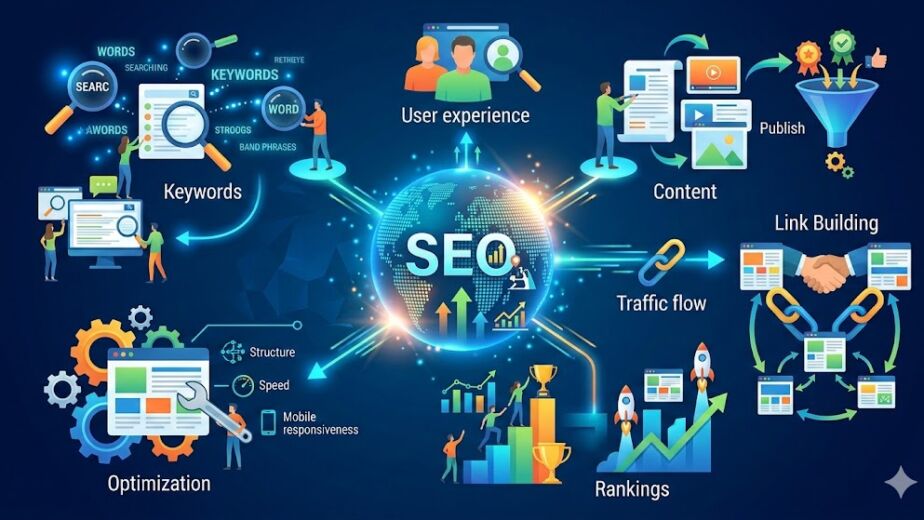
Before diving into the steps, it’s essential to understand what social media marketing is and how it contributes to your business. Social media marketing (SMM) is the practice of using social platforms to connect with your audience, increase brand awareness, drive traffic, and generate leads. It encompasses various activities, from content creation to social media management and running social media campaigns, often working alongside seo digital marketing services to support overall business growth.
What Is Social Media Marketing?
Social media marketing is the art of promoting products or services through social platforms. It enables businesses to reach a larger audience, engage with their customers, and build brand loyalty. By creating meaningful content and participating in social conversations, companies can increase their visibility and credibility. Social media marketing helps build a community and foster relationships with customers.
The Concept of Social Media Marketing
The concept of social media marketing has evolved over time. Initially, businesses used social media simply as a tool for promotion. However, today, it’s more about creating a dialogue with the audience. Social platforms provide a direct line to your customers, where you can understand their needs, preferences, and behavior, which is essential in shaping your marketing efforts.
10 Steps to Build a Organic Social Media Marketing Strategy
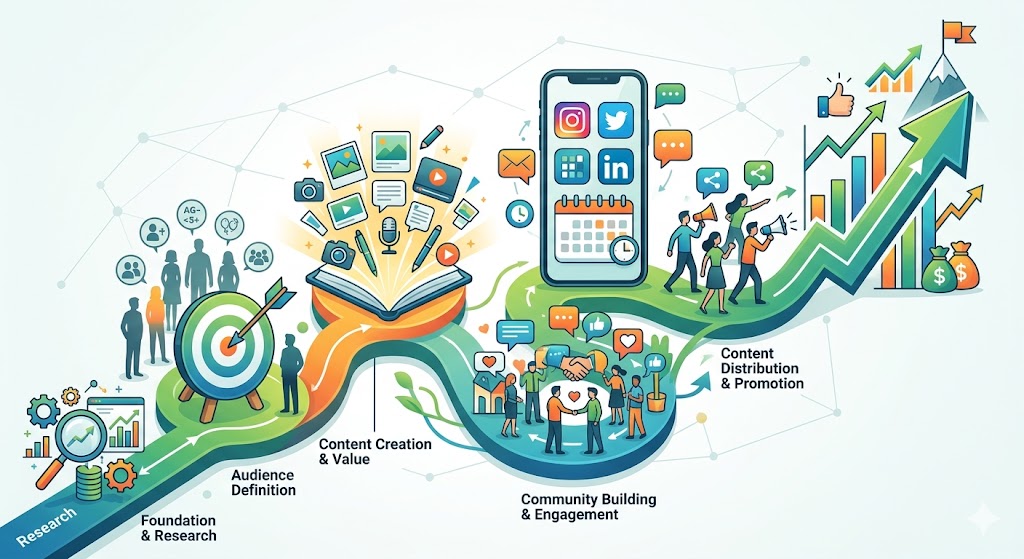
Creating a successful social media marketing strategy requires careful planning, consistency, and ongoing optimization. Whether you’re aiming to increase brand awareness, drive website traffic, or engage with your audience more effectively, following these 10 steps will help you create a solid foundation for your social media efforts. Businesses that invest in organic social media services often see long-term growth through authentic engagement and brand trust. From setting clear goals to investing in advertising and measuring performance, these steps will guide you toward building a strong and effective organic social media presence. Let’s explore each step in detail to ensure your success on social platforms.
Step 1: Set Clear Goals
The first step in building a successful social media strategy is to set clear, measurable goals. Without defined goals, your efforts could easily become directionless. Your goals should align with your overall business objectives.
What Do You Want to Achieve?
Do you want to increase brand awareness, generate more leads, or drive traffic to your website? Clear objectives allow you to track your progress and adjust your strategy as needed. For instance, if your goal is to grow your followers on Instagram, you can set a target number of new followers per month and work towards achieving it.
Defining Your KPIs
Key Performance Indicators (KPIs) help you measure the success of your strategy. These could include metrics like engagement rates, reach, clicks, and conversion rates. Defining KPIs early on gives you a clear understanding of what success looks like.
Step 2: Identify Your Target Audience
Understanding your target audience is key to developing a social media marketing strategy that resonates with them. Tailoring your content to your specific audience will help you engage them effectively.
Know Their Preferences and Needs
Using audience research tools, analyze your followers’ behavior, interests, and demographics. This information will allow you to create content that aligns with their needs. By addressing their pain points, you’ll not only engage them but also build trust.
Choose the Right Platforms
Different social platforms attract different audiences. For instance, Instagram and TikTok are great for younger demographics, while LinkedIn is a professional space. Based on your target audience, choose platforms that offer the best opportunity to connect with them.
Step 3: Create High-Quality Content
The foundation of any successful social media marketing campaign is high-quality content. This content can come in various forms, such as images, videos, infographics, and written posts.
What is Social Media Content?
Social media content refers to the material you post on your platforms. This can include promotional messages, educational content, user-generated content, or simply engaging posts that spark conversation. Great content captures attention and encourages your audience to interact with your posts.
Crafting Engaging Social Media Content
To make your content stand out, use storytelling and visuals. People are more likely to engage with content that tells a story or sparks an emotional response. Share customer stories, behind-the-scenes moments, and relatable content that your audience can connect with.
Step 4: Develop a Consistent Posting Schedule
Consistency is key to building and maintaining an engaged social media following. Having a regular posting schedule ensures that your brand remains visible and relevant.
Why Regular Posts Matter?
Regular posts increase your chances of being discovered by your target audience. You don’t want your audience to forget about you. Whether it’s daily, bi-weekly, or weekly posts, maintain consistency to keep your brand top of mind.
Planning Your Content Calendar
Create a content calendar to organize your posts. This allows you to plan in advance, ensuring that your posts are relevant to the time of year, current events, or special promotions. A content calendar also helps you maintain consistency and avoid last-minute rushes.
Step 5: Engage with Your Audience
Social media is a two-way street. Don’t just push out content; engage with your audience by responding to comments, messages, and mentions. This interaction fosters community building.
Respond to Comments and Messages
Acknowledge your followers’ comments and messages. Whether it’s a question, compliment, or complaint, responding shows that you care about your community. This strengthens customer relationships and builds brand loyalty.
Use User-Generated Content
Encourage your audience to create content for you. This could include customer reviews, photos, or video testimonials. User-generated content not only boosts engagement but also serves as social proof for your brand.
Step 6: Utilize Social Media Campaigns
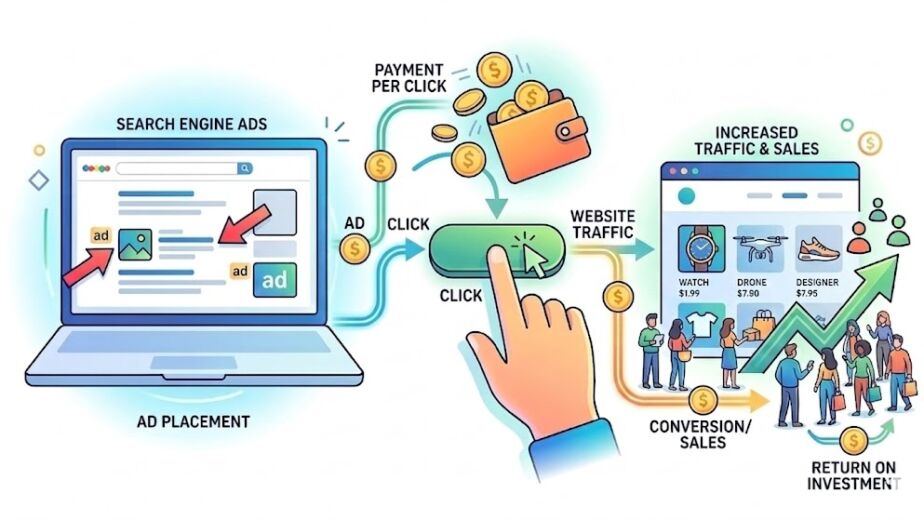
A social media campaign is a focused marketing effort designed to achieve specific goals over a set period of time. It can include special promotions, product launches, or seasonal campaigns. While organic strategies build trust, combining them with ppc advertising services can significantly boost visibility and accelerate results, especially when targeting specific audiences or promoting time-sensitive offers.
Planning Your Social Media Campaigns
Campaigns should have a clear goal, like promoting a new product or driving traffic to your website. Plan every aspect of the campaign, including content, messaging, and timing. Using relevant hashtags and creating engaging posts will help your campaign reach a wider audience.
Tracking Campaign Results
After your campaign ends, analyze the results to determine what worked and what didn’t. Track metrics like engagement, reach, and conversions. This will help you refine future campaigns for better results.
Step 7: Monitor Your Social Media Performance
Ongoing monitoring is essential to understand how your social media strategy is performing and identify areas for improvement.
What Is Social Media Marketing Strategy Monitoring?
Monitoring your social media strategy involves keeping track of key metrics to assess its effectiveness. These include engagement rates, follower growth, and website traffic generated from social platforms.
Adjusting Your Strategy
If you notice that certain content or platforms are performing better than others, adjust your strategy to focus more on those areas. Regular monitoring allows you to optimize your efforts and achieve better results.
Step 8: Invest in Social Media Advertising
While organic marketing is effective, adding social media advertising to your strategy or complementing it with ppc marketing services can help you expand your reach even further. Paid ads allow you to target a specific audience with precision.
Social Media Advertising for Targeted Reach
Using tools like Facebook Ads or Instagram Promotions, you can create ads targeting specific demographics, interests, and behaviors. This allows you to reach potential customers who may not follow you yet but are likely to be interested in your product or service.
Step 9: Leverage Social Media Management Services
If managing multiple platforms and engaging with your audience is overwhelming, consider outsourcing social media management services. These services help streamline your efforts and ensure that you are consistently engaging with your audience.
How Social Media Management Services Help?
Social media managers and teams offering organic smm services can handle content creation, scheduling, engagement, and analytics. They have the expertise to optimize your social media strategy, so you can focus on other aspects of your business.
Step 10: Measure and Optimize Your Strategy
Finally, to ensure that your organic social media marketing efforts are effective, you need to measure your success. Use analytics tools to track your performance and make data-driven decisions.
Analyzing Your Performance
Regularly review your KPIs to measure success. This can include engagement rates, traffic from social platforms, and conversions. The insights you gain will allow you to refine your strategy and improve over time.
Continuous Optimization
Optimization is an ongoing process. As social media algorithms change and audience behavior evolves, it’s important to adapt your strategy. Test different types of content, posting times, and engagement techniques to continuously improve your results.
Frequently Asked Questions
What is organic social media marketing?
Organic social media marketing refers to the process of using social media platforms to promote content and engage with your audience without paying for ads. It involves creating and sharing content, interacting with followers, and building relationships naturally, focusing on long-term engagement and brand visibility.
How do I set goals for my social media strategy?
Setting clear goals for your social media strategy involves defining what you want to achieve, such as increasing brand awareness, driving traffic, or generating leads. Use specific, measurable targets like follower growth or engagement rates, and track your progress using Key Performance Indicators (KPIs) to stay on course.
Why is content quality important in social media marketing?
High-quality content is essential in social media marketing because it captures attention, engages your audience, and encourages interactions. Engaging content builds trust with your followers and helps you create meaningful relationships that lead to better customer loyalty and increased brand awareness.
How often should I post on social media?
Posting frequency depends on your platform and audience, but consistency is key. Aim for at least 3-5 times a week on platforms like Instagram or Facebook. Regular posting keeps your brand visible and helps maintain engagement, ensuring your audience stays connected with your content.
What are the benefits of social media marketing?
Social media marketing offers numerous benefits, such as increased brand awareness, improved customer engagement, and better lead generation. By building a strong presence on social platforms, businesses can connect with their audience directly, gather valuable insights, and drive conversions.
Conclusion
Organic social media marketing is a powerful tool for building strong relationships with your audience and growing your brand in a meaningful way. By following these 10 proven steps—from setting clear goals to continuously optimizing your strategy—you can develop a sustainable approach that not only boosts engagement but also drives long-term business success. Remember, social media is about creating authentic connections, and with the right strategy, you can make your brand stand out amidst the noise. Whether you’re using social media for awareness, lead generation, or customer engagement, consistency, creativity, and monitoring are the keys to success. Let Oscend help you leverage the full potential of social media marketing and take your brand to the next level.