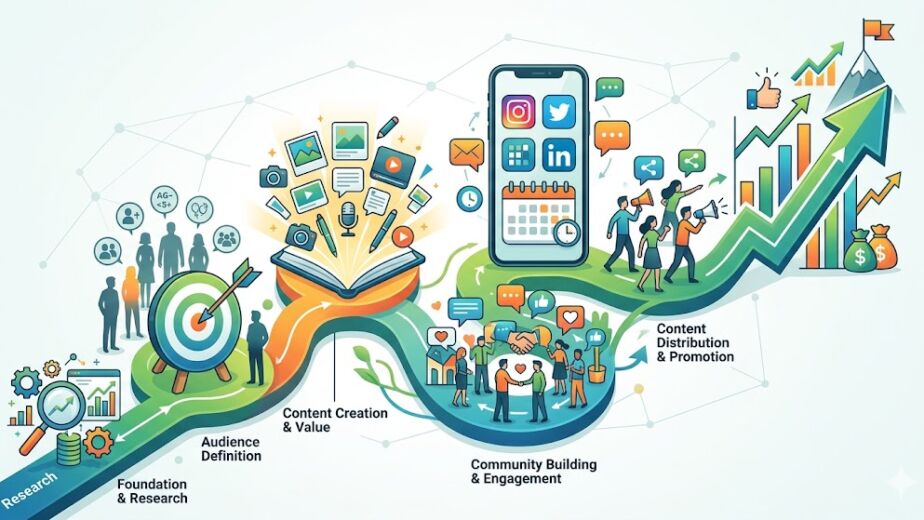

Content marketing is evolving rapidly as we approach 2026, becoming an essential tool for business growth. In this post, we’ll explore what content marketing is, its key benefits, and how businesses can leverage it to stay competitive in the digital age.
What is Content Marketing?
Content marketing remains one of the most effective strategies in digital marketing as we move into 2026. But exactly what is content marketing, and why is it crucial for business growth today? This strategy involves creating and sharing valuable, relevant content to attract, engage, and retain a target audience. In this blog post, we’ll dive into the definition of content marketing, its key benefits, and how businesses can leverage it through content marketing services to boost their online presence and connect with customers more effectively. Whether you’re a marketer or a business owner, understanding content marketing is essential to staying competitive in today’s digital landscape.
The Rise of Content Marketing in 2026
In 2026, content marketing has become a cornerstone of any successful marketing strategy. The digital landscape continues to change rapidly, but content remains king. With the rise of platforms like social media, YouTube, and TikTok, businesses have more ways than ever to connect with their audiences. At the same time, with increasing competition and noise online, content marketing needs to be both creative and intentional to break through.
For brands that want to build meaningful connections, content marketing offers a powerful solution. Companies are shifting away from traditional forms of advertising, which often feel interruptive and less authentic, toward more customer-centric strategies like content marketing. As consumer preferences evolve, it’s clear that content is a central component to a sustainable digital marketing strategy.
5 Key Benefits of Content Marketing
Content marketing has become an essential tool for businesses looking to attract and retain customers. Here are some key benefits:
1. Building Brand Awareness
One of the primary benefits of content marketing is the ability to build brand awareness. By consistently producing valuable content, businesses can reach a broader audience, positioning themselves as trusted industry leaders while strengthening their identity through Branding services. As potential customers engage with your content, they become more familiar with your brand, leading to increased visibility and recognition.
2. Improved Lead Generation
Content marketing is also a great way to generate leads. By offering helpful and informative content, such as eBooks, webinars, or how-to guides, businesses can encourage visitors to provide their contact information, thus building a list of qualified leads. This method is more effective than traditional advertising, as it nurtures trust and rapport with potential customers.
3. Enhanced SEO and Organic Reach
By producing high-quality content and optimizing it for search engines, businesses can improve their organic search rankings. Content marketing allows you to target long-tail keywords, address customer pain points, and generate more organic traffic. This, in turn, can lead to higher visibility on search engines, driving more traffic to your website, especially when supported by effective SEO Services.
4. Increased Engagement
When done correctly, content marketing fosters engagement between your brand and its audience. Whether through blog comments, social media shares, or email responses, content encourages two-way communication. Engaged audiences are more likely to convert into loyal customers, making content marketing a valuable tool for building lasting relationships.
5. Cost-Effective Marketing
Compared to traditional forms of advertising, content marketing is often more cost-effective. Content can continue to generate value over time, and the costs associated with creating and distributing content are typically lower than those of paid advertising campaigns. For businesses looking for sustainable growth on a budget, content marketing is an excellent long-term strategy.
How Content Marketing Works?
Content marketing works by creating and sharing content that is relevant and valuable to your target audience. The goal is to establish trust, authority, and a relationship with potential customers, ultimately leading them to take action, such as purchasing a product, signing up for a newsletter, or following the brand on social media.
1. Content Creation
The first step in content marketing is creating valuable content. This content could be in the form of blogs, videos, podcasts, or infographics, and should be tailored to the needs and interests of your target audience. Content creation is about addressing the questions, challenges, and desires of your potential customers, and many businesses rely on content production services to scale this process efficiently.
3. Content Distribution
Once your content is created, it must be shared with your audience. Effective content distribution involves promoting content through various channels like social media, email newsletters, and paid ads. The more platforms you use to share your content, the broader your reach will be.
4. Content Engagement
Engagement is the next step in the process. As your audience interacts with your content, it’s important to track these engagements and foster ongoing communication. Engaging content encourages comments, social shares, and further content consumption, which enhances your brand’s visibility and credibility.
5. Conversion and Lead Nurturing
As your audience engages with your content, it’s crucial to nurture leads through targeted follow-ups. This can be done by offering more content, sending personalized emails, or using calls-to-action (CTAs) to drive conversions. By consistently delivering value, you increase the likelihood of moving leads through the sales funnel.
6. Analyzing Results
Finally, measuring the success of your content marketing efforts is essential. Key performance indicators (KPIs) such as website traffic, engagement rates, and lead conversions help businesses assess how well their content is performing. This data allows for adjustments and improvements to future campaigns, optimizing content marketing strategies for better results.
The Role of Content Strategy
A solid content strategy is crucial to the success of any content marketing plan. Without a clear strategy, your content can lack focus, making it harder to meet business objectives and connect with the right audience. A content strategy is a detailed plan that outlines your goals, target audience, messaging, content types, and distribution channels, and it is often strengthened by Creative Strategy services that align ideas with business objectives.
Building a Content Strategy in 2026
In 2026, businesses are using more sophisticated techniques to build their content strategies. Data-driven insights, AI tools, and content performance tracking are essential to ensure that content is reaching the right audience at the right time. Knowing what your audience wants and understanding the channels they frequent can help create highly targeted campaigns.
Having a strong content strategy is not just about creating content; it’s about creating the right content at the right time. Whether you’re focusing on long-form blog posts, social media content, or email newsletters, your strategy should align with the broader goals of your business and be adaptable to changing market trends.
Content Marketing and Lead Generation
One of the most powerful aspects of content marketing is its ability to generate leads. Unlike traditional forms of advertising, content marketing is a more organic way of attracting potential customers. Through educational content, problem-solving resources, and thought leadership, you can nurture leads and guide them through the buyer’s journey.
How Content Marketing Drives Lead Generation?
By providing valuable content, businesses can build trust with their audience and establish themselves as thought leaders. As people consume your content, they are more likely to engage with your brand, ultimately leading to conversions. For example, offering an e-book or whitepaper in exchange for an email address is a common tactic used in content marketing to gather leads.
AI and automation also play a growing role in lead generation, with tools being developed to personalize content recommendations and optimize conversion paths. By offering useful, informative content tailored to specific customer segments, you can increase the chances of converting a visitor into a lead.
At Oscend, we understand the significance of combining effective content marketing with lead generation strategies. Our digital marketing approach ensures that the content we create not only speaks to the interests of your audience but also guides them through a journey that transforms them from visitors to loyal customers.
The Impact of AI on Content Creation
AI content creation is reshaping how content is produced and delivered. In 2026, artificial intelligence tools are more advanced, providing marketers with tools that can automate content creation, enhance personalization, and optimize for search engines.
The Role of AI in Content Marketing
AI-driven content creation tools can generate blog posts, social media content, and even video scripts at lightning speed. These tools analyze vast amounts of data to understand trends, topics, and language patterns, helping marketers craft content that resonates with their audience. AI can also optimize content for SEO, ensuring it ranks well in search results.
For businesses like Oscend, AI content creation allows for more efficient content production while still delivering high-quality, relevant content to clients. The result is faster content development cycles, better targeting, and a higher return on investment in content marketing efforts.
In addition to creating content, AI also helps in content curation. By analyzing customer behaviors, AI tools can suggest content that is most likely to engage a particular audience. This creates more personalized and relevant experiences for customers, leading to increased engagement and satisfaction.
Social Media Content Creation in 2026
Social media continues to be an essential part of any content marketing strategy. In 2026, the role of social media content creation has grown even more significant as new platforms and features are introduced. Marketers are now tasked with staying on top of trends, adapting their strategies, and producing content that resonates with their followers across various channels, often through Social Media marketing Services that support platform-specific execution.
Best Practices for Social Media Content Creation
Creating effective social media content requires a deep understanding of your audience. Content must be tailored to fit the nuances of each platform, whether that’s Instagram, TikTok, Twitter, or Facebook. The key is to engage your audience with content that is visually appealing, informative, and shareable.
The introduction of short-form videos, live streaming, and influencer marketing has dramatically changed how brands engage with their audiences. Businesses are increasingly using interactive formats like polls, quizzes, and live Q&A sessions to create more engaging experiences.
For agencies like Oscend, social media content creation goes beyond simply posting updates. We focus on creating content that sparks conversations and builds communities. Our social media strategies aim to create authentic relationships between brands and their audiences, leveraging real-time engagement and content that speaks to current events or trends.
Measuring Success in Content Marketing
To fully understand the effectiveness of your content marketing efforts, it’s essential to track performance metrics. These metrics help you determine whether your content is resonating with your audience and achieving business goals.
Key Metrics to Track for Content Marketing
Some key performance indicators (KPIs) to monitor include website traffic, engagement rates, lead generation, conversion rates, and return on investment (ROI). Tracking these metrics allows you to refine your content strategy and make data-driven decisions.
AI-powered analytics tools are increasingly being used to track these metrics and provide insights into customer behaviors and content performance. With tools that analyze audience interactions and predict trends, content marketers can stay ahead of the curve and deliver the right content at the right time.
At Oscend, we help businesses leverage these insights to refine their strategies and improve their content marketing efforts, ensuring that every piece of content produced contributes to the broader goals of the business.
How to Get Started with Content Marketing?
Getting started with content marketing requires careful planning and a structured approach. Here’s a step-by-step guide to help you launch a successful content marketing strategy:
- Define Your Goals – Start by identifying what you want to achieve with your content marketing efforts. This could range from building brand awareness to generating leads or increasing conversions.
- Understand Your Audience – Conduct research to understand who your target audience is, what they care about, and where they spend their time online.
- Create a Content Strategy – Develop a content plan that outlines the types of content you will create, the topics you’ll cover, and how often you will publish.
- Produce High-Quality Content – Focus on delivering valuable content that resonates with your audience and addresses their pain points.
- Distribute Your Content – Use various distribution channels, including social media, email marketing, and paid ads, to ensure your content reaches your target audience.
- Track and Optimize – Use analytics tools to track performance and continuously optimize your content based on data-driven insights.
Frequently Asked Questions
What is content marketing and why is it important in 2026?
Content marketing involves creating and sharing valuable content to attract and engage a specific audience. In 2026, it’s essential for building brand awareness, driving conversions, and fostering customer loyalty in a competitive digital environment.
How does content marketing work in 2026?
Content marketing in 2026 focuses on delivering targeted, high-quality content through formats like blogs, videos, and social media. With AI and personalization, it ensures content reaches the right people at the right time, improving engagement and results.
What are the key benefits of content marketing for businesses in 2026?
Content marketing helps businesses increase brand visibility, boost SEO, and drive traffic. It builds trust with customers, improves engagement, and can lead to higher conversion rates, creating a loyal audience base.
What types of content are most effective in content marketing in 2026?
In 2026, video content, interactive quizzes, blogs, and podcasts are highly effective. Video captures attention, while interactive content increases engagement, making a diverse content strategy crucial for success.
How can I measure the success of my content marketing strategy in 2026?
Measure success by tracking website traffic, social media engagement, leads, and conversions. Tools like Google Analytics and HubSpot provide insights, helping refine your strategy and improve your content marketing performance.
Conclusion
Content marketing is an ever-evolving field, and its importance continues to grow as we move into 2026. By understanding the fundamentals of content strategy, lead generation, AI-driven content creation, and social media content, businesses can stay ahead of the curve and build long-lasting relationships with their audiences.
So, what is content marketing? It’s the strategic approach to creating valuable, relevant content that nurtures your audience and drives profitable customer actions.
If you want to take your content marketing to the next level, working with a digital marketing expert who understands the latest trends and strategies can make all the difference. At Oscend, we specialize in crafting tailored content marketing solutions that drive real results for businesses across industries. Whether you need help creating a content strategy, generating leads, or leveraging AI to enhance your content production, our team is here to help you succeed.