In the digital marketing world, what is PPC in digital marketing? Pay-per-click (PPC) is a powerful advertising tool that enables businesses to reach their target audience effectively. It’s an internet marketing model where advertisers pay a fee each time their ad is clicked, ensuring businesses only pay for actual visitors to their website, rather than paying for impressions. This model offers a cost-effective way to drive relevant traffic. Let’s explore the concept of PPC, its significance in digital marketing, and how businesses can leverage it to enhance their marketing strategies.
What Is PPC Marketing?
PPC marketing refers to the practice of using paid ads to drive traffic to a website. These ads can appear on search engines like Google, social media platforms like Facebook, or display networks. The goal of performance marketing services is to generate high-quality leads, increase brand visibility, and drive sales.
With the rise of digital advertising, PPC marketing has become one of the most effective ways for businesses to promote their products or online paid media services. The ability to target specific demographics, interests, and behaviors makes PPC ads highly effective in reaching the right audience.
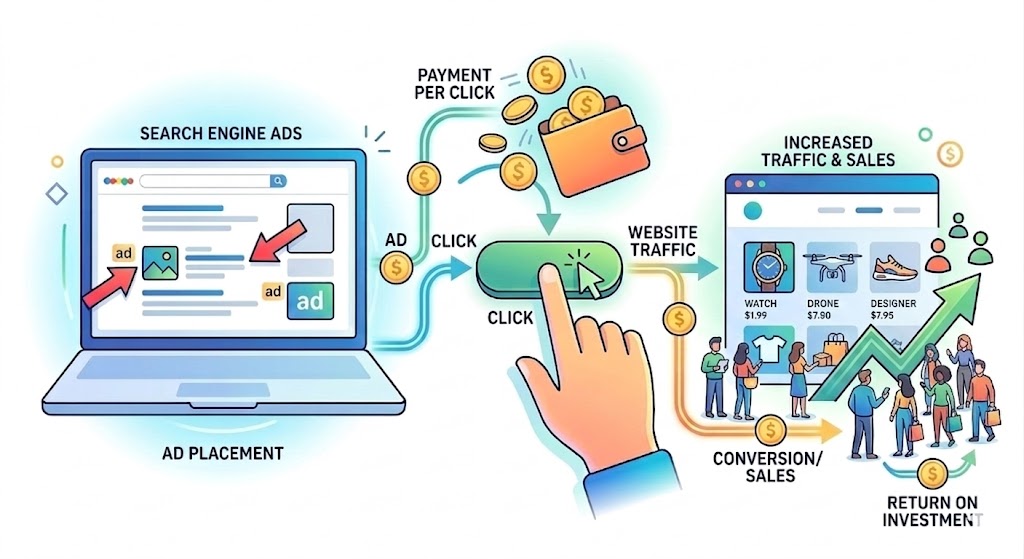
PPC marketing is also cost-effective, as advertisers only pay when a user clicks on their ad. This allows businesses to manage their advertising budget more efficiently. By using PPC, businesses can drive immediate traffic to their website and see results in real-time.
What Does PPC Mean in Digital Marketing?
PPC meaning in digital marketing is straightforward. It is a method of internet marketing that helps businesses gain visibility on search engines, social media platforms, and other websites. With PPC marketing and digital marketing services, businesses can ensure that their ads appear in front of a relevant audience. This increases the chances of engagement and, ultimately, conversion.
The primary goal of PPC in digital marketing is to drive traffic to a website quickly and efficiently. Since PPC campaigns are typically targeted, businesses can expect to receive high-quality traffic that is more likely to convert into paying customers. PPC ads are also highly measurable, which allows businesses to track their return on investment (ROI) and make data-driven decisions to optimize their campaigns.
5 Key Components of a PPC Campaign
A PPC campaign involves various elements, each playing a crucial role in ensuring its success. The following components are essential for building an effective PPC campaign:
1. Keyword Research
Effective keyword research is the foundation of any PPC campaign. Businesses must identify the keywords that are relevant to their products and services and are frequently searched by their target audience. By selecting the right keywords, businesses can ensure their ads appear in front of the right people.
2. Bidding Strategy
In PPC, advertisers bid on keywords to have their ads displayed. The bid amount determines the position of the ad on the search engine results page (SERP). Advertisers can use different bidding strategies, such as cost-per-click (CPC), cost-per-impression (CPM), or cost-per-acquisition (CPA), depending on their goals.
3. Ad Copy
The ad copy is what users see when they perform a search. It should be compelling, relevant, and contain a strong call-to-action (CTA). The ad copy must align with the keywords being targeted and offer something valuable to the user to encourage them to click.
4. Landing Pages
Once a user clicks on a PPC ad, they are directed to a landing page. The landing page should be optimized for conversion, meaning it must provide a seamless experience for the user. A well-designed landing page with relevant content, clear messaging, and a strong CTA increases the likelihood of converting visitors into customers.
5. Performance Tracking
One of the key benefits of PPC marketing is the ability to track performance. Advertisers can monitor their campaign’s effectiveness by analyzing metrics such as clicks, impressions, conversion rates, and ROI. This data allows businesses to optimize their campaigns and allocate resources efficiently, especially when integrating SEO services to drive organic traffic in conjunction with paid ads.
How PPC Ads Work?
PPC ads work by targeting specific keywords or phrases that users are likely to search for when looking for products or services similar to what a business offers. These ads are typically displayed at the top of search engine results or in the sidebar of a website.
Ad Auction System
Search engines like Google use an auction system to determine which ads are shown and in what order. Advertisers bid on keywords they want to target, and the bid amount, along with the quality score of the ad, determines the ad’s position. A higher bid and a better-quality score increase the chances of the ad appearing in a prime position.
The quality score is based on factors such as the relevance of the keywords, the quality of the landing page, and the expected click-through rate (CTR). The higher the quality score, the less the advertiser has to pay per click, making it more cost-effective.
What Is Pay Per Click Advertising?
Pay-per-click advertising, or PPC advertising, is an internet marketing model in which advertisers pay a fee each time one of their ads is clicked. This form of advertising allows businesses to target specific keywords, demographics, and behaviors, ensuring their ads reach the right audience.
PPC advertising can be used on various platforms, including search engines, social media platforms, and display networks. Some of the most popular platforms for PPC advertising include Google Ads, Facebook Ads, LinkedIn Ads, and Instagram Ads.
4 Types of PPC Ads
PPC ads can take many forms, including:
- Search Ads: These ads appear at the top of search engine results pages when users search for specific keywords.
- Display Ads: These ads appear on websites and blogs within the Google Display Network.
- Social Media Ads: These ads are shown on social media platforms like Facebook, Instagram, LinkedIn, and Twitter.
- Remarketing Ads: These ads target users who have previously visited your website but did not convert.
Each type of PPC ad serves a different purpose and can be used strategically to achieve specific marketing goals.
How to Use PPC on a Website?
PPC on a website can be implemented by placing ads on high-traffic sites or using search engines to display your ads when relevant keywords are searched. A PPC website will display ads based on the bidding strategy and targeting parameters set by the advertiser. The goal is to drive relevant traffic to the website and convert those visitors into customers.
When running a PPC campaign on a website, it’s crucial to have a user-friendly design and clear call-to-action buttons. Visitors should be able to navigate the site easily and find what they are looking for quickly. A seamless user experience increases the chances of converting visitors into paying customers.
Why Choose PPC Services?
PPC services are essential for businesses looking to drive targeted traffic to their website, increase brand awareness, and boost conversions. By partnering with experts in PPC management, businesses can ensure that their ads are optimized for maximum performance. PPC services often include keyword research, campaign management, ad copywriting, landing page optimization, and performance tracking. These services can help businesses achieve better results from their PPC campaigns and get the most out of their advertising budget.
Frequently Asked Answers
What does PPC mean in digital marketing?
PPC (Pay-Per-Click) is an online advertising model where advertisers pay each time their ad is clicked. It helps businesses gain targeted traffic by displaying ads on search engines or social media platforms.
How does PPC work in digital marketing?
PPC allows advertisers to bid on relevant keywords. When a user searches for those terms, the ads appear on the search results. Advertisers only pay when the ad is clicked, ensuring cost efficiency.
What are the benefits of PPC in digital marketing?
PPC offers benefits like increased visibility, targeted reach, and measurable results. It helps drive qualified traffic to websites and can be optimized to improve performance over time.
What is the difference between PPC and SEO?
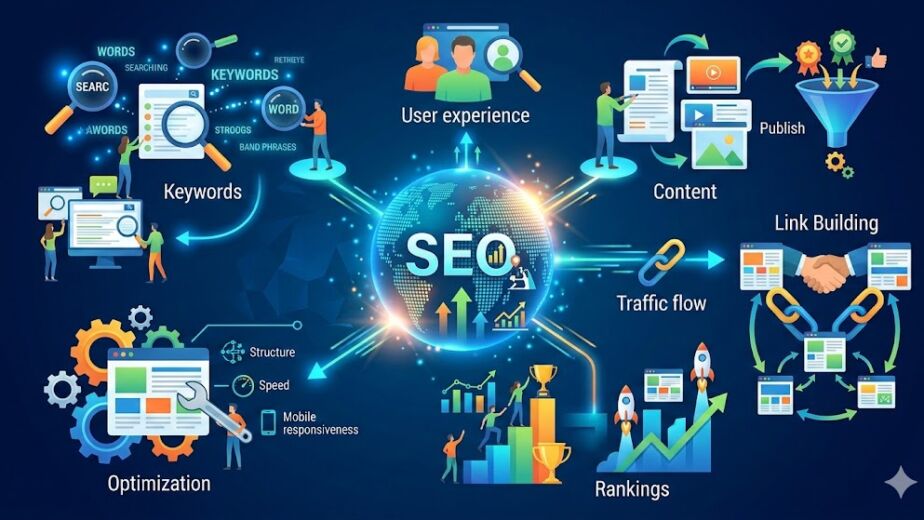
While PPC involves paying for ads to gain visibility, SEO focuses on optimizing content to earn organic traffic. PPC delivers faster results, whereas SEO is a longer-term strategy.
How much does a PPC campaign cost?
The cost of a PPC campaign depends on factors like keyword competition, platform, and your budget. You can set daily or monthly limits to control your spending and ensure cost-effective results.
Conclusion
PPC marketing is a highly effective tool for businesses looking to drive traffic to their website and increase sales. Understanding “What is PPC in digital marketing?” is key to utilizing this strategy effectively. By knowing how it works and the different components of a PPC campaign, businesses can create targeted and optimized ads that reach the right audience. Whether you’re running a PPC campaign for a small business or a large enterprise, it’s essential to track performance and make data-driven decisions to improve the effectiveness of your campaigns. With the right PPC strategy, businesses can see immediate results and continue to grow their online presence. Oscend, with its expertise in PPC services, can help businesses maximize their digital marketing efforts and achieve their goals.